
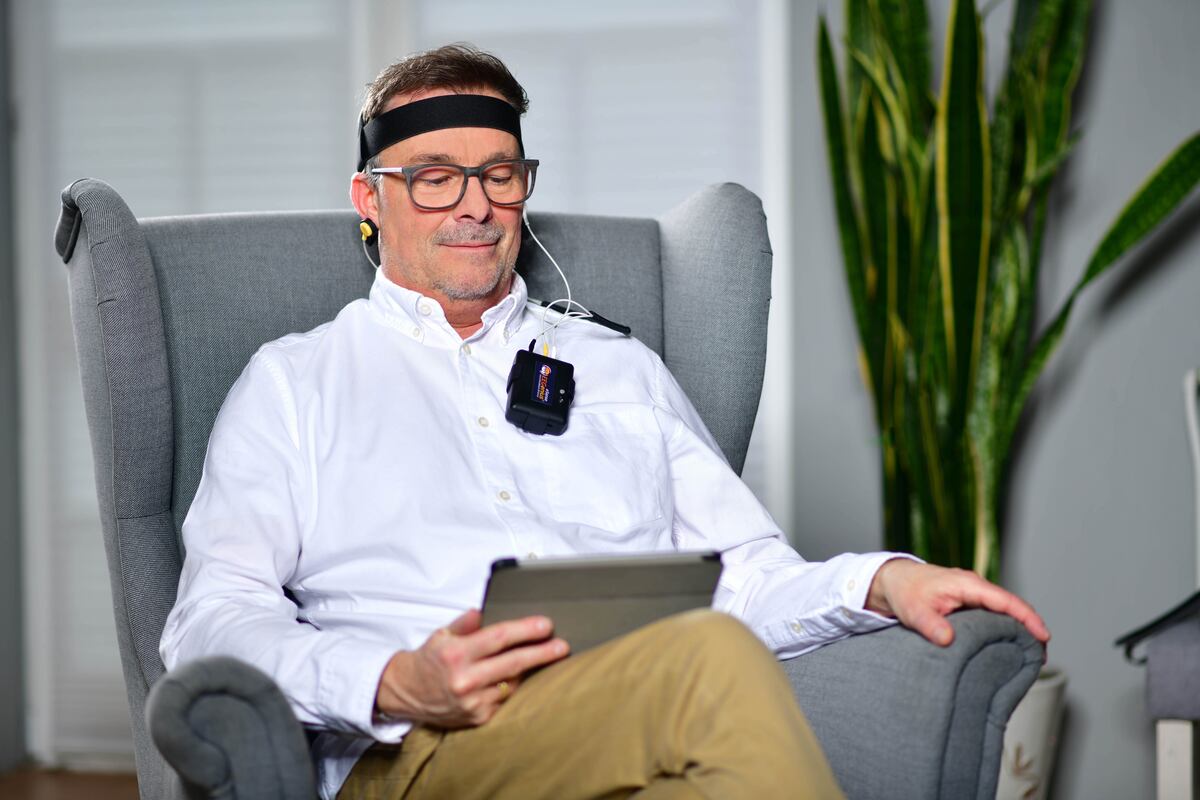


Yes, neurofeedback works for many people by training the brain to produce healthier electrical patterns. It uses real-time brain activity feedback to improve focus, mood, and sleep over a series of sessions.
How does neurofeedback work?
Neurofeedback works by showing the brain its own activity in real time so it can learn to self-regulate. Sensors read brainwaves while a screen or sound rewards balanced patterns.
- Measures brainwave activity through scalp sensors
- Rewards calm, focused patterns with visual or audio cues
- Repeats the process until healthier patterns become automatic
- Requires no medication or physical sensation

What conditions does neurofeedback help?
Neurofeedback helps conditions linked to dysregulated brain activity. Results are strongest when sessions are consistent and guided by an assessment.
- Attention problems and ADHD symptoms
- Anxiety and chronic stress
- Sleep difficulties and insomnia
- Mood symptoms tied to depression
- Lingering effects of trauma
Does neurofeedback help with ADHD and focus?
Neurofeedback helps with ADHD and focus by training attention-related brainwaves. Many families choose it as a drug-free addition to other care.
- Strengthens patterns linked to sustained attention
- Reduces impulsivity over repeated sessions
- Works alongside a brain mapping assessment that guides each plan
How long does neurofeedback take to work?
Neurofeedback takes about 20 to 40 sessions to produce lasting change. Some people notice early shifts within the first 10 sessions.
- Sessions 1 to 10: baseline training and small gains
- Sessions 11 to 20: clearer focus and calmer mood
- Sessions 21 to 40: stable, longer-lasting results
- Follow-up: periodic check-ins to maintain progress
Is neurofeedback backed by evidence?
Neurofeedback is backed by a growing body of research, especially for attention and anxiety. Outcomes depend on proper assessment and trained providers.
- Studies show benefits for ADHD symptoms
- Reviews report reduced anxiety and improved sleep
- Results improve when paired with therapy and coaching
What therapies pair well with neurofeedback?
Several therapies pair with neurofeedback to support brain health. A combined plan addresses both symptoms and root causes.
- Brain training builds the foundation. Neurofeedback training your brain for balance explains the core process.
- Thought work changes habits. CBT to rewire unhelpful thought patterns reinforces calmer thinking.
- Stimulation targets stubborn symptoms. TMS therapy for depression offers another brain-based option.
Who should consider neurofeedback in Los Angeles?
Adults and children with focus, mood, or sleep concerns should consider neurofeedback. A consultation and assessment confirm whether it is a good fit.
- People seeking drug-free symptom relief
- Families managing ADHD or attention struggles
- Adults with anxiety, stress, or poor sleep
Neurofeedback works best as part of a guided plan. A Los Angeles provider can assess brain activity, set goals, and combine training with proven therapies for lasting results.